Recruiters in 2026 are drowning in a paradox: hundreds of job boards to post on, yet not enough qualified applicants walking through the door. The answer isn't more manual effort, it's smarter AI job posting. Automating job distribution no longer requires a massive team or enterprise budget. Modern recruitment marketing automation tools put the power of intelligent, multi-channel hiring in the hands of every talent team, regardless of size.
In this guide, you'll discover exactly how AI-driven job distribution works, which platforms lead the pack, and how companies are cutting time-to-hire by up to 60% - all without sacrificing candidate quality.
What is AI job posting - and why does it matter in 2026?
AI job posting refers to the use of artificial intelligence to write, optimize, and distribute job listings across multiple channels simultaneously, without human intervention for each step. Think of it as having a tireless recruiter who never forgets to post on LinkedIn, Indeed, Glassdoor, niche job boards, and your own careers page, all at the same time, every time.
In 2026, the recruitment landscape has fundamentally shifted. Candidates expect personalized, timely job communication. Employers who rely on copy-pasting job descriptions across platforms are losing top talent to competitors who show up first, in the right place, with the right message.
AI-powered solutions solve three core problems: reach (where your jobs appear), relevance (how well your posting resonates), and speed (how fast qualified candidates see it).
How job distribution software actually works
Modern job distribution software integrates directly with your ATS (Applicant Tracking System) or HR platform and uses machine learning to:
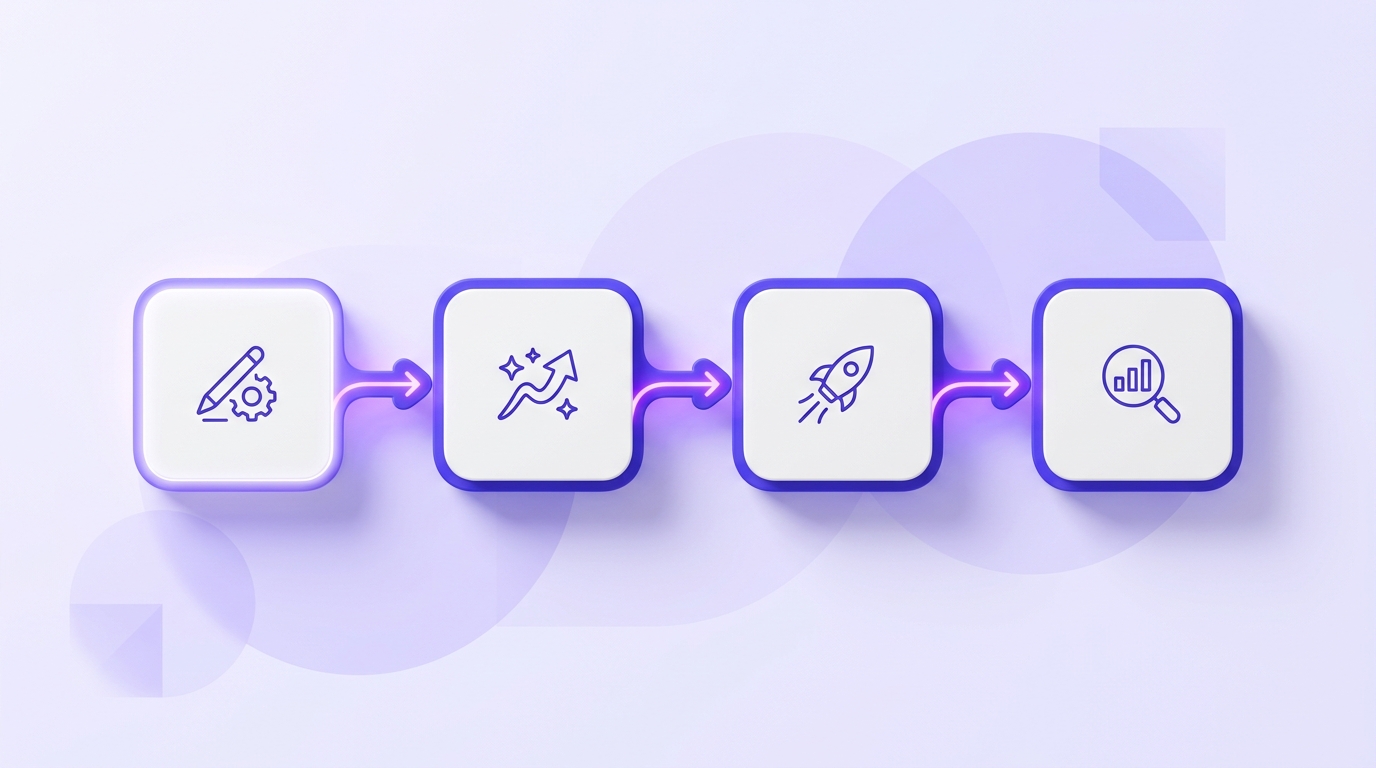
1. Intelligently select the best channels
Not every role belongs on every board. AI analyzes historical performance data, which boards delivered the most qualified hires for similar roles, and automatically routes each job to the highest-performing channels for that specific position and location.
2. Optimize job titles and descriptions
The system rewrites or fine-tunes job titles and descriptions to match what candidates actually search for. A "Senior Full-Stack Engineer (Node.js/React)" will out-perform "Developer Level 3" every time.
3. Set intelligent posting schedules
AI identifies peak engagement windows for each platform and schedules posts accordingly. A role posted on Tuesday morning on LinkedIn may receive 40% more early applications than one posted Friday afternoon.
4. Monitor, refresh, and boost automatically
When a listing starts losing visibility, the AI refreshes it, adjusts targeting parameters, or reallocates budget to higher-performing boards, without any manual input.
Pro tip: The best job distribution software connects directly with your ATS workflows so that approved job requisitions trigger automated multi-board posting in minutes, not days.
The real power of recruitment marketing automation lies in treating hiring like a marketing funnel. Top platforms now offer:
Branded careers pages that auto-update with new roles in real time
Email and SMS nurture campaigns for passive candidates in your talent pool
Retargeting ads that re-engage candidates who viewed a role but didn't apply
Social media automation for organic and paid job promotion on LinkedIn, Instagram, and X
Programmatic advertising that dynamically shifts spend to highest-converting channels
According to SHRM's 2025 Talent Acquisition Report, companies using full-stack recruitment marketing automation see a 47% improvement in candidate pipeline quality and reduce their cost-per-hire by an average of $1,200.
The rise of the AI agent for attracting candidates
Beyond automation, 2026 has introduced a new class of tool: the AI agent for attracting candidates. Unlike rule-based bots, these agents are autonomous decision-makers that continuously learn and act on your behalf.
An AI recruiting agent can:
Analyze your employer brand and generate platform-specific job copy variants
Proactively source passive candidates on LinkedIn and GitHub and send personalized outreach
Answer candidate FAQs via chatbot 24/7, keeping applicants engaged
Score and rank inbound applications against your ideal candidate profile in real time
Suggest salary benchmarks based on live market data to keep offers competitive
These agents reduce the recruiter's role from manual executor to strategic decision-maker, a shift that dramatically improves both speed and quality of hire.
How to choose the right AI job posting platform
With dozens of tools on the market, evaluating your options can feel overwhelming. Focus on these five criteria:
ATS integration depth: Does it sync seamlessly with your existing stack (Greenhouse, Lever, Workday, etc.)?
Channel breadth: How many job boards, social platforms, and niche communities does it distribute to?
Analytics & reporting: Can you see source-of-hire attribution down to the individual channel?
Candidate experience: Does the platform support conversational AI and branded application flows?
Compliance features: Does it flag biased language, ensure GDPR compliance, and support equal opportunity requirements?
For small-to-mid-sized teams, look for platforms that offer affordable tiered pricing with automation features included from day one, not locked behind enterprise plans.
How whitecarrot.ai powers smarter AI job posting
Whitecarrot.ai is built for modern talent teams who want to move at the speed of AI. The platform combines intelligent job distribution, recruitment marketing automation, and an AI agent for attracting candidates - all in a single, easy-to-use dashboard.
What makes Whitecarrot different?
One-click multi-board distribution: Post to 100+ job boards and social channels instantly when a role is approved
Smart candidate matching: AI agent screens applicants and surfaces the top 10% for recruiter review - automatically
Real-time analytics: See exactly which channels are delivering quality hires and reallocate budget accordingly
Built-in ATS - no third-party needed: Whitecarrot.ai is a fully native ATS, so your job posting, candidate tracking, screening, and hiring all live in one unified platform - no integrations, no data silos, no extra cost
Whether you're a startup hiring your first 10 engineers or a scale-up filling 200 roles per quarter, Whitecarrot's AI job posting adapts to your hiring velocity.
Frequently Asked Questions
Common questions about this topic answered below.
What is AI job posting and how does it work?
AI job posting is the use of artificial intelligence to automatically write, optimize, and distribute job listings across multiple platforms simultaneously. It works by connecting to your ATS, using NLP to craft compelling job descriptions, and then pushing those listings to the most relevant job boards, social channels, and niche communities, while continuously monitoring performance and adjusting strategy.
How is job distribution software different from just posting on Indeed or LinkedIn?
Manual job posting means logging into each platform individually and copying your listing. Job distribution software automates that process at scale, posting to 40+ boards at once, optimizing for each platform's algorithm, managing sponsored vs. organic listings, and providing unified analytics across all channels. The result is dramatically more reach with a fraction of the manual work.
What does an AI agent for attracting candidates actually do?
An AI agent for attracting candidates is an autonomous AI system that actively works to bring qualified candidates to your roles. It can generate personalized outreach to passive candidates, respond to applicant questions via chat 24/7, screen incoming applications against your ideal candidate profile, and continuously optimize your job distribution strategy based on what's working, all without manual recruiter input.
Is recruitment marketing automation suitable for small businesses?
Absolutely. Many modern recruitment marketing automation platforms, including Whitecarrot.ai, offer plans designed specifically for small and mid-sized teams. The ROI is often even higher for smaller companies because they don't have large recruiting teams, automation effectively multiplies the output of a 1-2 person talent function. You can start with automated job distribution and layer in more advanced features as you scale.
Table of Content
Skip the hiring hassle
See how Whitecarrot helps you source, screen, and hire faster with AI.