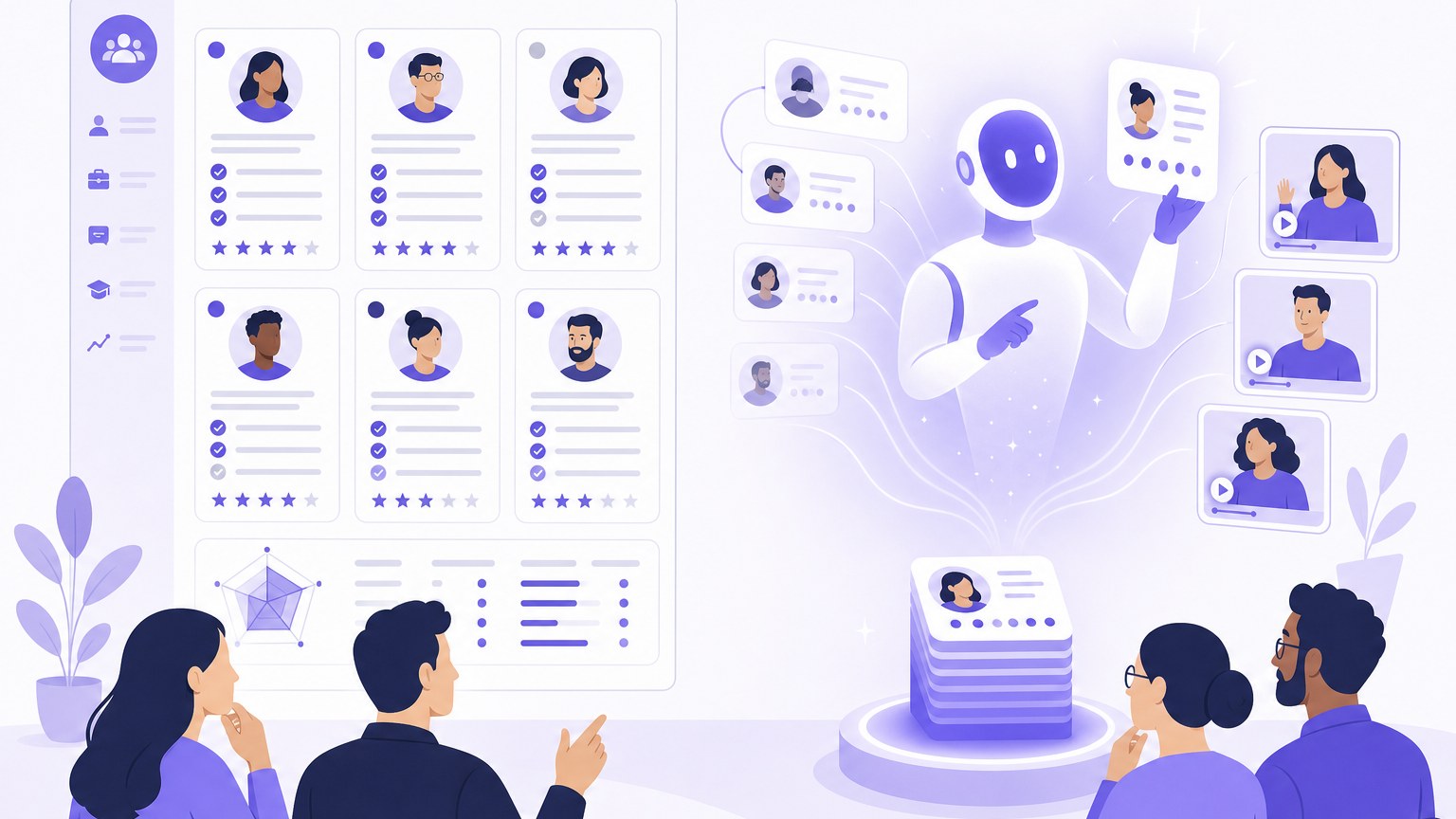
Greenhouse vs Whitecarrot comes down to who does the screening. Greenhouse is an applicant tracking system built around structured hiring: interview kits, scorecards and approvals that a recruiting team runs. Whitecarrot is an AI recruiter built for hiring in the GCC: it scores CVs, screens candidates on video and books interviews, and it can also deliver the shortlist for you.
Both products are good at different jobs. This comparison of Greenhouse vs Whitecarrot covers what each one does at every hiring stage, what Greenhouse pricing looks like when the vendor publishes no prices, what reviewers say, how each fits an employer in the UAE or Saudi Arabia, and when to pick which. Facts about Greenhouse come from its own pricing, product and newsroom pages and two dated third-party sources, all checked in November 2026.
Greenhouse vs Whitecarrot: what is the difference?
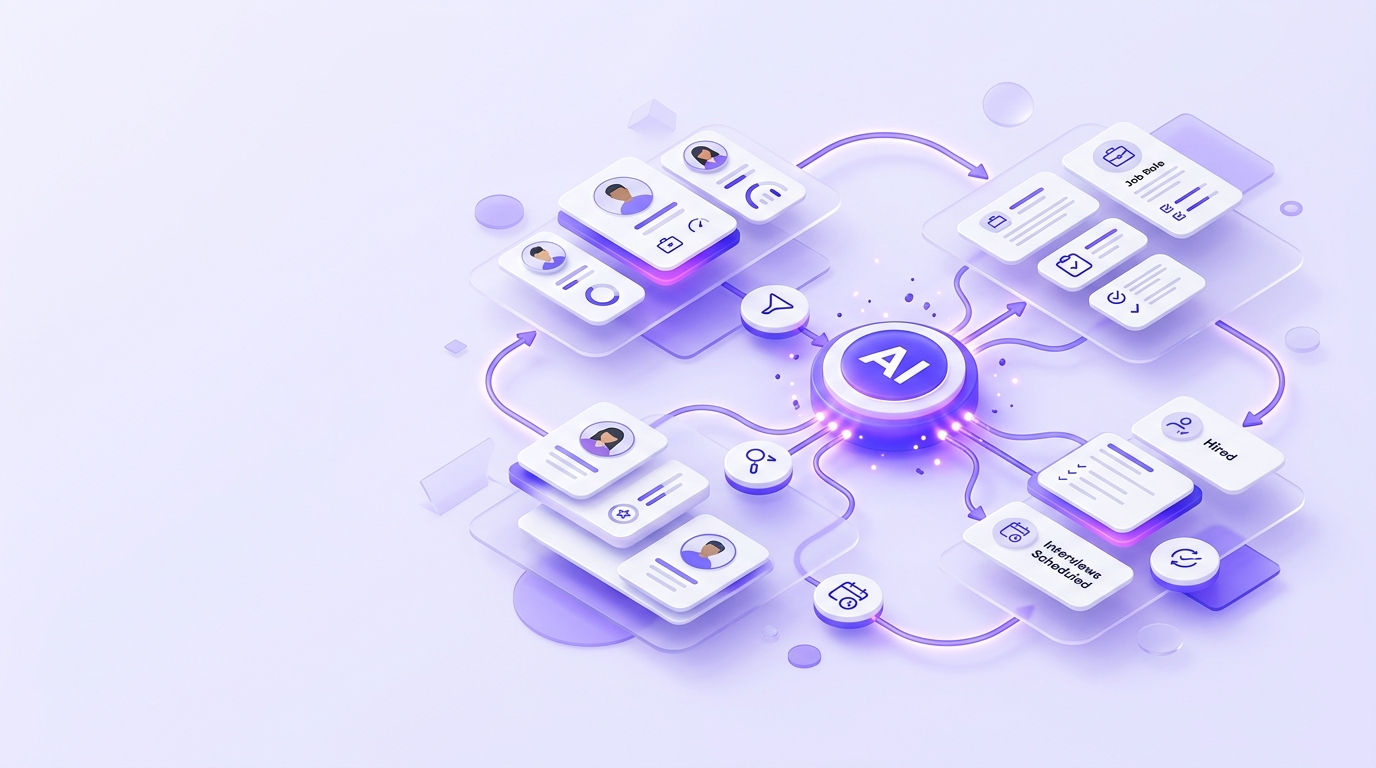
The difference between Greenhouse and Whitecarrot is where the work sits. Greenhouse gives a recruiting team a disciplined process: every role gets an interview plan, every interviewer fills in a scorecard, and hiring managers approve offers inside one system. Greenhouse adds AI to help that process, such as talent matching that ranks applications against criteria a recruiter sets, but the recruiter still reads, screens and decides. Whitecarrot is built to take the manual hours out of hiring: the Whitecarrot AI recruiter plans the requisition, posts the role, scores every CV, runs AI-assessed one-way video screening, schedules interviews and sends offers for e-signature. Whitecarrot also sells Managed Hiring, where its team delivers a shortlist within 24 hours. In short, Greenhouse is a process your recruiters operate, while Whitecarrot does much of the first-round work for them.
What is Greenhouse and who is it built for?
Greenhouse is a recruiting platform known for structured hiring, used by what it calls thousands of companies, including Anthropic, HubSpot and the NFL, according to Greenhouse’s June 2026 AI launch announcement. Greenhouse sells three plans, Core, Plus and Pro. According to Greenhouse’s pricing page, Core already includes sourcing and CRM, structured interview kits and scorecards, an AI notetaker, scheduling, reporting, SSO and talent matching. Greenhouse also lists more than 400 pre-built integrations and an open API, which is why it often sits at the centre of a larger HR stack.
HR.software’s Greenhouse review, updated in September 2026, rates Greenhouse as the best fit for mid-market companies of 201 to 1,000 employees and for enterprises, a medium fit for teams of 11 to 50, and a weak fit for organisations without dedicated recruiting staff.
What is Whitecarrot and who is it built for?
Whitecarrot is an AI recruiter for companies of 50 to 5,000 people in the UAE, Saudi Arabia and the wider GCC, and more than 88 companies in the region hire with it. Whitecarrot covers hiring from end to end: it plans the requisition, posts to job boards and pulls every applicant into one place, scores CVs, screens candidates on AI-assessed one-way video, schedules interviews through Google or Outlook, joins interviews as an AI notetaker, collects structured feedback and manages offers through e-signature before handing the hire to your HRMS. Across its GCC customers, time to hire has fallen from 45 days to under 20, and time to plan a role from 21 days to 6.
Whitecarrot comes in two forms under one brand. The AI Recruiter platform is for teams that run hiring themselves. Managed Hiring is done for you: a shortlist within 24 hours, a placement fee of one month's salary and a 90-day replacement guarantee. Rent-a-Recruiter puts a recruiter on your roles within 48 hours with no retainer.
How do Greenhouse and Whitecarrot compare at each hiring stage?
Greenhouse and Whitecarrot cover the same hiring stages, but they automate different ones. Greenhouse is strongest at keeping a process consistent: the interview plan, the scorecard and the approval chain are the same for every candidate, and reporting shows where a pipeline stalls. Greenhouse's AI assists the recruiter, flagging likely matches and drafting interview notes, but it does not screen candidates for you. Whitecarrot puts its weight on the middle stages, where recruiters lose the most hours: CV scoring and video screening, interview scheduling and structured feedback. The table compares the two stage by stage, using Greenhouse's published plan features and Whitecarrot's product scope.
Hiring stage
Greenhouse
Whitecarrot
Plan the role
Structured interview kits and scorecards on every plan; Job Kickoff Agent announced for Q3 2026
AI recruiter plans the requisition; time to plan a role cut from 21 days to 6
Attract and source
Sourcing and CRM on Core; Sourcing Automation on Plus and Pro
Posts to job boards and pulls every applicant into one place
Screen
AI talent matching ranks applications against recruiter-set criteria; never advances or rejects on its own
Scores every CV and runs AI-assessed one-way video screening
Interview
Scheduling, scorecards, and an AI notetaker for Zoom, Google Meet and Microsoft Teams
Schedules through Google or Outlook, joins as an AI notetaker, collects structured feedback
Trust and fraud
Spam and fraud detection on Plus and Pro; CLEAR identity verification
Video screening shows the real candidate before any call is booked
Offer and onboard
Offer approvals; hands hires to an HRIS through 400+ integrations
Offers through e-signature, then hands the hire to your HRMS for onboarding
Done for you
Not offered on Greenhouse's pricing page
Managed Hiring: shortlist within 24 hours, fee of one month's salary, 90-day replacement guarantee
The practical gap is the first round. Greenhouse helps a recruiter decide whom to read first. Whitecarrot assesses each candidate on a short video before anyone books a call, which removes the first-round phone screen as well.
How much does Greenhouse cost compared with Whitecarrot?
Greenhouse pricing is not public. Greenhouse’s pricing page shows no price for Core, Plus or Pro and asks buyers to request a demo, saying the cost depends on the plan, hiring volume, organisational complexity and the features required. The best public benchmark is buyer data: according to Vendr’s Greenhouse pricing data, based on 887 purchases, the median Greenhouse contract is $26,553 a year, with deals ranging from $10,218 to $73,846. Vendr also notes that multi-year terms usually unlock discounts and that renewals often include annual increases of 3% to 7%. HR.software adds that implementation, onboarding and data migration are billed separately, at an estimated $1,000 to $15,000, and that Greenhouse has no free plan or trial.
Greenhouse publishes no prices. Buyer data from 887 purchases shows the spread.
Greenhouse plan
What it adds
Published price
Core
Sourcing and CRM, structured interview kits and scorecards, AI notetaker, scheduling, reporting, SSO, talent matching
Not published; quote after a demo
Plus
Everything in Core, plus AI-powered report filters, a BI connector, Sourcing Automation, texting, fraud and spam detection
Not published; quote after a demo
Pro
Everything in Plus, plus unlimited CRM events, enterprise data configuration and security, audit log, developer sandbox
Not published; quote after a demo
Whitecarrot is priced differently because it sells two things. The AI Recruiter platform is a subscription, with current plans on the Whitecarrot pricing page. Managed Hiring costs nothing until you hire: the fee is one month's salary per placement, with a 90-day replacement guarantee. For a GCC company comparing a Greenhouse quote, the useful question is how many recruiter hours each option removes, not only the licence line.
What do Greenhouse reviews say?
A Greenhouse review from almost any source praises the same thing: structured hiring. HR.software’s September 2026 Greenhouse review highlights role-specific scorecards that keep interviews consistent, more than 400 native integrations including Workday, BambooHR, Slack and Zoom, approval workflows and strong security credentials, including SOC 2 Type 2 and ISO 27001. The same review lists the main drawbacks: a high entry cost with no free plan or trial, separately billed implementation, a complex setup, and reports that sometimes need a raw data export to Excel when the question is very specific. It also says native coverage is explicitly documented only for the US, UK and Canada, and advises buyers elsewhere to check local compliance support.
What reviewers like: structured interviews and scorecards, a large integration library, approvals and security.
What reviewers dislike: quote-only pricing, separate implementation fees, setup effort, and limits on very specific reports.
Who it suits best: mid-market and enterprise teams with dedicated recruiters and a defined hiring process.
Which works better for hiring in the UAE and the GCC?
For hiring in the UAE and the GCC, Whitecarrot is the closer fit, and Greenhouse is the stronger choice for a global company standardising one process across many countries. Whitecarrot is built and run from Dubai, and its customers are GCC employers hiring at volume, where a single role can draw hundreds of applications and the first screen is where recruiters lose their week. AI-assessed one-way video lets a team in Dubai or Riyadh see every shortlisted candidate before booking a call. Greenhouse's strengths, structured scorecards, approvals and a deep integration library, matter most when the same hiring process must run in many offices. Greenhouse's own pages do not say which languages its notetaker supports, and the HR.software review notes that native compliance coverage is documented for the US, UK and Canada, so a GCC buyer should confirm both during a demo.
As one example from the region, Alabbar Enterprises in Dubai moved from 350 to 850 hires a year on Whitecarrot, with 3 recruiters instead of 8 and a time to hire that fell from 44 days to as low as 2.
What are the best Greenhouse alternatives?
The best Greenhouse alternatives depend on why you are leaving. If the reason is price or setup effort, an ATS with published pricing and a lighter configuration usually fits a smaller team. If the reason is that recruiters still spend most of their week screening, an AI recruiter such as Whitecarrot changes more than another tracking system would. If you need a done-for-you option, a managed service with a shortlist guarantee replaces the agency spend that many GCC employers still carry. Our guide to AI alternatives for ATS software compares the wider field, and the AI recruitment software comparison covers tools built around AI screening.
When should you choose Greenhouse, and when Whitecarrot?
Choose Greenhouse or Whitecarrot by asking what your recruiters spend their time on today. If the problem is inconsistency, interviews that vary by manager and decisions nobody can explain, Greenhouse fixes that. If the problem is volume, too many CVs and too many first calls, Whitecarrot fixes that.
Choose Greenhouse if you are a mid-market or enterprise company with a dedicated recruiting team, hiring across several countries, and you need structured scorecards, approvals and 400+ integrations more than you need screening done for you.
Choose Whitecarrot if you hire in the UAE, Saudi Arabia or the wider GCC, your roles draw high applicant volumes, and you want CV scoring and video screening to happen before a recruiter picks up the phone.
Choose Whitecarrot Managed Hiring if you have no recruiter free for a role and want a shortlist within 24 hours, paying one month's salary only when you hire.
Start from what your recruiters spend their time on today.
How Whitecarrot works for a team comparing it with Greenhouse
A team comparing Whitecarrot with Greenhouse usually wants to keep structure and lose the manual first round. Whitecarrot keeps the structure: structured feedback after every interview, an AI notetaker in the call, and offers sent for e-signature. It removes the manual part: every CV is scored, every shortlisted candidate is assessed on a one-way video, and interviews are scheduled through Google or Outlook without email back-and-forth. The hire then moves to the HRMS you already use. For roles you cannot staff, Managed Hiring and Rent-a-Recruiter put Whitecarrot's own recruiters on the work.
If you are weighing Greenhouse vs Whitecarrot for your next hiring cycle, book a Whitecarrot demo and bring one live role. You will see it scored, screened and scheduled on your own applicants.
Frequently Asked Questions
Common questions about this topic answered below.
Is Whitecarrot an alternative to Greenhouse?
Yes. Whitecarrot replaces Greenhouse's recruiting workflow for GCC employers: it scores every CV, screens candidates on AI-assessed one-way video, schedules interviews, joins them as an AI notetaker, collects structured feedback and sends offers for e-signature. It hands each hire to your existing HRMS, and it adds Managed Hiring for roles you want delivered for you.
How much does Greenhouse cost per year?
Greenhouse does not publish its prices; every plan is quoted after a demo. According to Vendr's data from 887 purchases, the median Greenhouse contract is $26,553 a year, with deals from $10,218 to $73,846. The price depends on the plan, hiring volume and organisational complexity, and implementation is billed separately.
Does Greenhouse screen candidates automatically?
No. Greenhouse's AI talent matching compares applications with criteria a recruiter defines and ranks likely fits, but Greenhouse says it never advances or rejects a candidate on its own. A recruiter still reads and screens. Whitecarrot goes further: it scores every CV and assesses shortlisted candidates on a one-way video before a call is booked.
Is Greenhouse good for small companies?
Greenhouse can work for small companies that want a formal, structured interview process, but many find it more than they need. HR.software rates it a medium fit for teams of 11 to 50 and a weak fit without dedicated recruiting staff, citing quote-only pricing, separate implementation fees and a complex setup.
Table of Content
Skip the hiring hassle
See how Whitecarrot helps you source, screen, and hire faster with AI.